T-Solar Ellipsometer
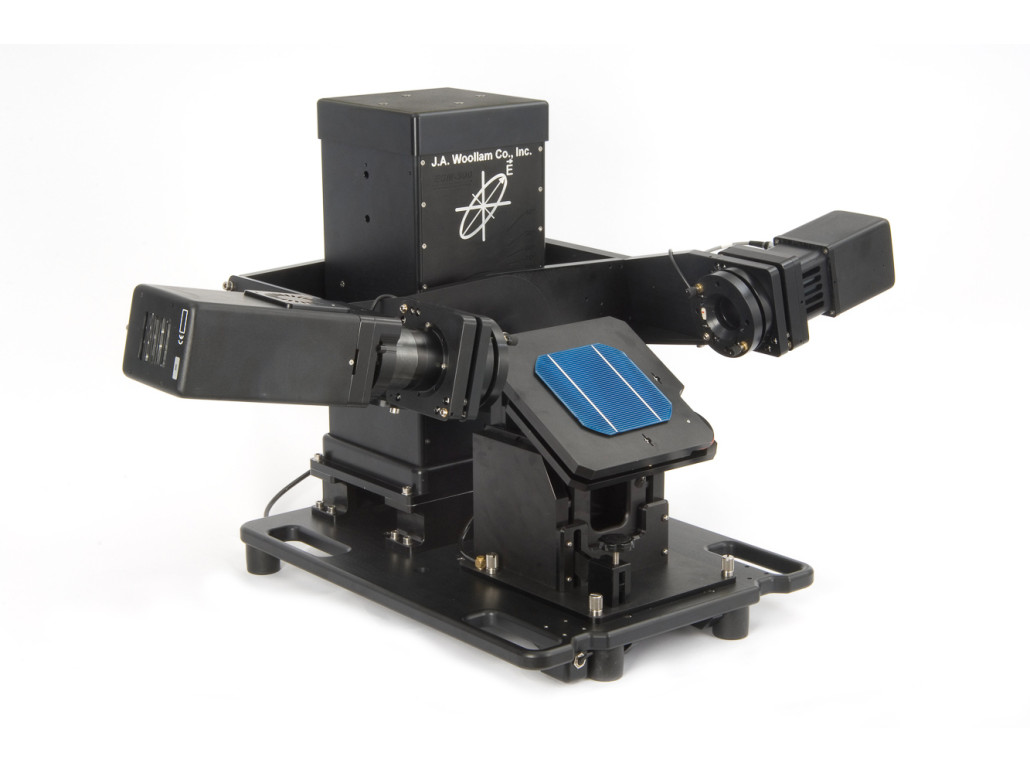
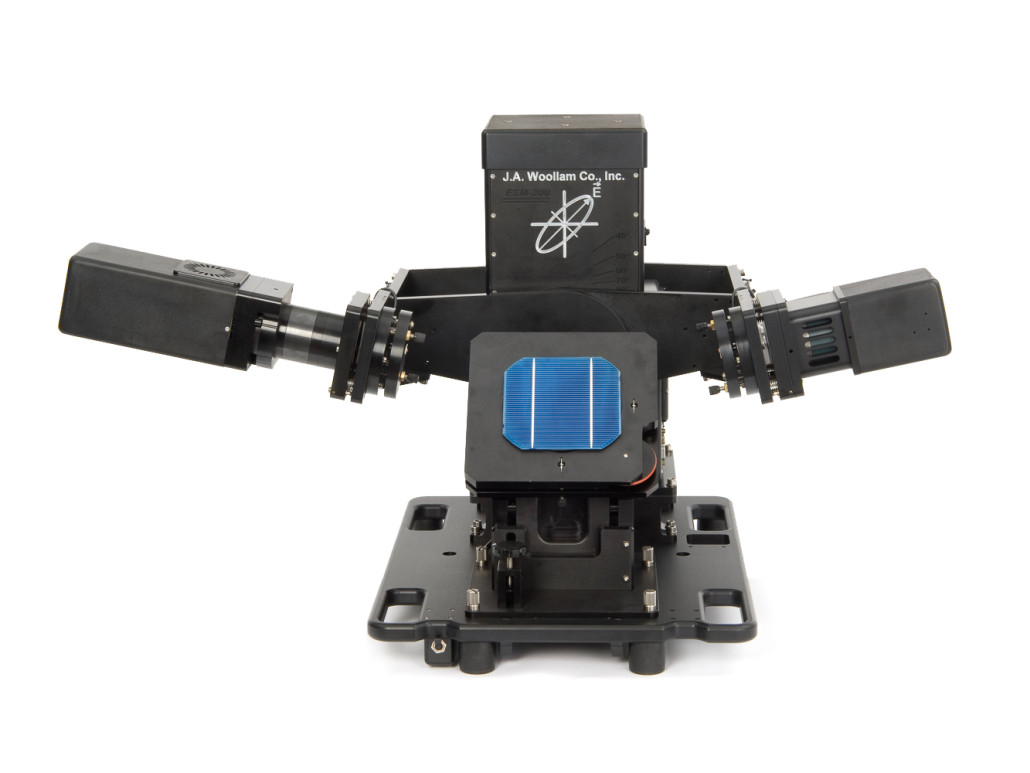
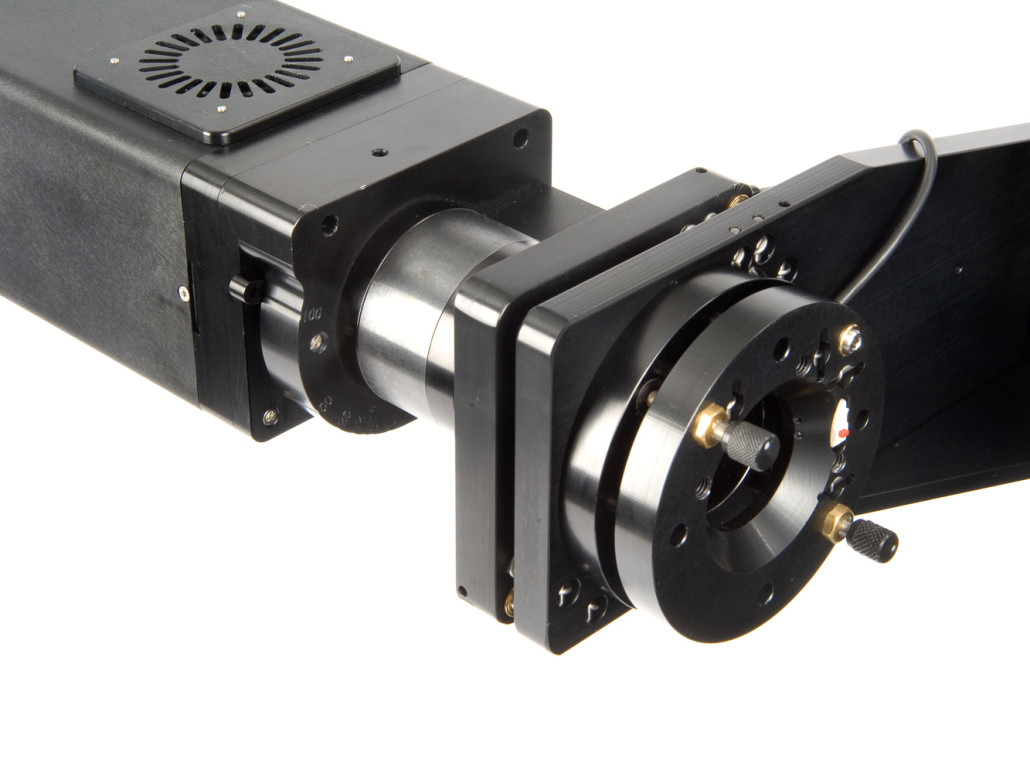
The T-Solar™ system combines the best photovoltaic measurement technology into a single system designed specifically for textured samples. Based on the established M-2000® rotating compensator spectroscopic ellipsometer, the T-Solar measures hundreds of wavelength across the UV-Visible-NIR. To improve performance on rough, textured surfaces that significantly reduce refl ected signal, the T-Solar combines a special High-Intensity Lamp source with our new Intensity-Optimizer*. The T-Solar is perfect for characterizing AR coatings on etched silicon surfaces. In addition, the T-Solar features an adjustable tilt-rotation-stage, which is required to align the pyramid structures of alkaline-etched monocrystalline surfaces.
Why an T-Solar?
Advanced Ellipsometer Technology
The T-Solar utilizes our patented RCE (rotating compensator ellipsometer) technology to achieve high accuracy and precision.
Fast Spectral Detection
The RCE design is compatible with advanced, proven CCD detection to measure ALL wavelengths simultaneously.
Intensity-Optimizer
The light source is automatically adjusted to match the ideal range for any sample.
Accuracy
Advanced design ensures accurate ellipsometry measurements for any sample.
Modular Design
Compatible with many of the same options and accessories as the M-2000 ellipsometer.